
blah...

Contrary to popular belief, Lorem Ipsum is not simply random text. It has roots in a piece of classical Latin literature from 45 BC, making it over 2000 years old. Richard McClintock, a Latin professor at Hampden-Sydney College in Virginia, looked up one of the more obscure Latin words, consectetur, from a Lorem Ipsum passage, and going through the cites of the word in classical literature, discovered the undoubtable source. Lorem Ipsum comes from sections 1.10.32 and 1.10.33 of "de Finibus Bonorum et Malorum" (The Extremes of Good and Evil) by Cicero, written in 45 BC. This book is a treatise on the theory of ethics, very popular during the Renaissance. The first line of Lorem Ipsum, "Lorem ipsum dolor sit amet..", comes from a line in section 1.10.32.
Like Back to Top Seen 154 times Liked 0 times
x
Subscribe to Updates
If you enjoyed this, why not subscribe to free email updates ?
Subscribe to Blog updates
Alternatively, you can subscribe via RSS 
All email subscriptions must be confirmed to comply with GDPR.
Related Posts
Bianca | 07th September 2023 | Blogging

Welcome to your new instablog website! This is your homepage and your blog. You can change the way this looks and what it says by logging into your — just log in with the account details sent to your email during the setup. In your Control Panel, you can edit or delete these pages or blog posts, or you can add as many more blog posts as you want! If you need help, go to the page where you can submit a support ticket or you can download some PDF help guides....
Bianca | 07th September 2023 | Blogging

Contrary to popular belief, Lorem Ipsum is not simply random text. It has roots in a piece of classical Latin literature from 45 BC, making it over 2000 years old. Richard McClintock, a Latin professor at Hampden-Sydney College in Virginia, looked up one of the more obscure Latin words, consectetur, from a Lorem Ipsum passage, and going through the cites of the word in classical literature, discovered the undoubtable source. Lorem Ipsum comes from sections 1.10.32 and 1.10.33 of "de Finibus Bonorum et Malorum" (The Extremes of Good and Evil) by Cicero, written in 45 BC. This book is a treatise on the theory of ethics, very popular during the Renaissance. The first line of Lorem Ipsum, "Lorem ipsum dolor sit amet..", comes from a line in section 1.10.32....
Bianca | 07th September 2023 | Blogging
Welcome to your new instablog website! This is your homepage and your blog. You can change the way this looks and what it says by logging into your — just log in with the account details sent to your email during the setup. In your Control Panel, you can edit or delete these pages or blog posts, or you can add as many more blog posts as you want! If you need help, go to the page where you can submit a support ticket or you can download some PDF help guides....
Bianca | 07th September 2023 | Blogging
Contrary to popular belief, Lorem Ipsum is not simply random text. It has roots in a piece of classical Latin literature from 45 BC, making it over 2000 years old. Richard McClintock, a Latin professor at Hampden-Sydney College in Virginia, looked up one of the more obscure Latin words, consectetur, from a Lorem Ipsum passage, and going through the cites of the word in classical literature, discovered the undoubtable source. Lorem Ipsum comes from sections 1.10.32 and 1.10.33 of "de Finibus Bonorum et Malorum" (The Extremes of Good and Evil) by Cicero, written in 45 BC. This book is a treatise on the theory of ethics, very popular during the Renaissance. The first line of Lorem Ipsum, "Lorem ipsum dolor sit amet..", comes from a line in section 1.10.32....
Recent Posts
Bianca Jones | 06th November 2025 | Miscellaneous
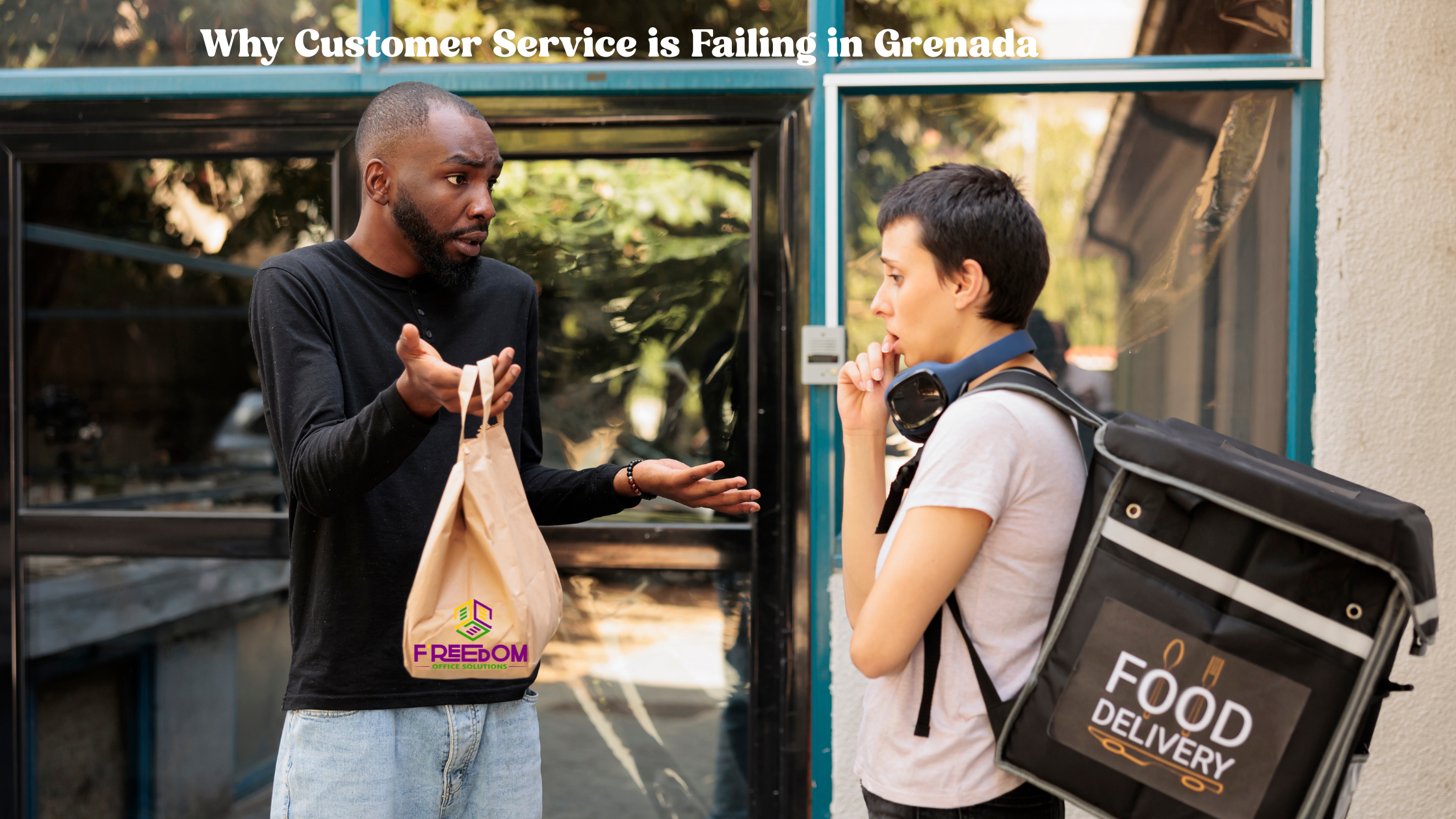
Let’s be honest for a minute — Grenada has a reputation for being one of the friendliest places in the Caribbean. Visitors rave about our warmth, our smiles, and our laid-back charm. They call us “kind people,” and in many ways, they’re right. We’re a community built on hospitality and heart. But talk to a fellow Grenadian about their experiences with customer service, and the story takes a different turn. The smiles fade, the warmth disappears, and too often, we’re left with rudeness, attitude, or indifference. Somewhere along the line, something changed — and it’s time we talk about it. When the Smile Is for Tourists Only It’s no secret that visitors often receive better treatment than locals. A foreign accent seems to magically unlock patience, politeness, and top-tier service. But when it comes to our own people, that same energy often vanishes. Locals get the eye roll. The sigh. The tone that says, “What you want?” instead of, “How can I help you?” Now, before we get defensive — let’s acknowledge something real. Life in Grenada isn’t easy. Wages are low, the cost of living is high, and many workers feel undervalued and underpaid. There’s frustration, burnout, and a sense that no matter how hard you work, it’s never enough. But frustration is not an excuse for bad manners. We can empathize with the struggle and still hold ourselves accountable. Because when we lose basic courtesy, we lose more than good customer service — we lose the very essence of community. The Root of the Problem The problem goes beyond just “bad service.” It’s deeper. It’s cultural, emotional, and systemic. Poor Workplace Culture: Many businesses don’t invest in training, leadership, or staff appreciation. Employees feel invisible, and that energy spills into every interaction. Low Morale and Motivation: When workers don’t see opportunities for growth, they stop caring. It’s hard to deliver excellence when you feel stuck. The “Crab in a Barrel” Mentality: There’s this unspoken competitiveness — the idea that helping someone else shine somehow dims your own light. It creates division where teamwork should live. Lack of Emotional Intelligence: We’re not taught how to manage stress or communicate with empathy, especially in high-pressure jobs. Generational Habits: Some people grew up watching poor service modeled as “normal.” And what’s normalized often gets repeated. It’s not that Grenadians can’t offer great service — we absolutely can. The problem is, we’ve learned to turn it on and off depending on who we’re serving. What We’re Really Saying When We’re Rude Customer service isn’t just about transactions — it’s about connection. When we meet people with impatience, sarcasm, or attitude, it says more about how we feel inside than about them. When we’re unhappy, unfulfilled, or undervalued, it shows up in how we speak to others. So, fixing customer service isn’t just about smiling more — it’s about healing the mindset behind the behavior. The Ripple Effect Poor customer service costs more than sales. It affects tourism, business growth, and national pride. It drives locals to shop abroad or online instead of supporting homegrown businesses. It discourages young entrepreneurs and tarnishes our reputation. But the good news? The solution starts small. How We Fix It Start with Respect. Every person deserves to be treated with dignity — whether they’re spending $1 or $1,000. Train and Empower Employees. Business owners must invest in proper customer service and communication training. A skilled team is a profitable one. Lead by Example. Managers and owners need to model the behavior they expect from staff. Recognize and Reward Good Service. Appreciation boosts morale and builds consistency. Shift the Mindset. Kindness isn’t weakness — it’s professionalism. Support Each Other. ...
Bianca | 07th September 2023 | Blogging
Welcome to your new instablog website! This is your homepage and your blog. You can change the way this looks and what it says by logging into your — just log in with the account details sent to your email during the setup. In your Control Panel, you can edit or delete these pages or blog posts, or you can add as many more blog posts as you want! If you need help, go to the page where you can submit a support ticket or you can download some PDF help guides....
Bianca | 07th September 2023 | Blogging
Contrary to popular belief, Lorem Ipsum is not simply random text. It has roots in a piece of classical Latin literature from 45 BC, making it over 2000 years old. Richard McClintock, a Latin professor at Hampden-Sydney College in Virginia, looked up one of the more obscure Latin words, consectetur, from a Lorem Ipsum passage, and going through the cites of the word in classical literature, discovered the undoubtable source. Lorem Ipsum comes from sections 1.10.32 and 1.10.33 of "de Finibus Bonorum et Malorum" (The Extremes of Good and Evil) by Cicero, written in 45 BC. This book is a treatise on the theory of ethics, very popular during the Renaissance. The first line of Lorem Ipsum, "Lorem ipsum dolor sit amet..", comes from a line in section 1.10.32....